-
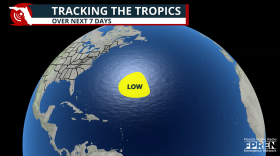 The National Hurricane Center is monitoring a disturbance in the central Atlantic, but the system poses no threat to the U.S. and faces an uphill climb for development.
 -
 A stormy but normal weather pattern continues this weekend. Higher-than-normal high tides as the New Moon reigns.
 -
 Lightning can strike victims indoors and outdoors in multiple different ways. Direct strikes are the deadliest, but ground currents affect the most victims overall. These strikes can result in injury and/or death.
 -
 The cloudless blue sky of September 11, 2001, became part of America’s collective memory. Twenty-five years later, we examine how weather influenced the World Trade Center dust plume and recovery — and what scientists learned when U.S. air traffic was grounded.
 -
 Atlantic hurricane season has reached its climatological peak without producing a single hurricane. A strengthening El Niño is helping suppress development, but Florida’s complicated history shows why a quiet peak is no guarantee of a quiet finish.
 -
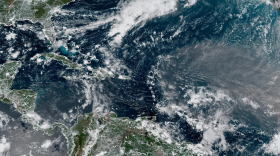 Beyond Sept. 10, six named storms form during an average season, with four becoming hurricanes.
 -
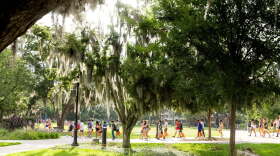 According to data published by the National Bureau of Economic Research, adverse weather can impact a prospective student's outlook on an educational institution.
 -
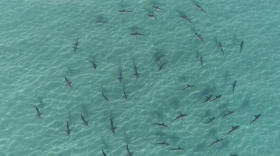 A powerful El Niño can rearrange marine ecosystems, sending sharks and their prey into unfamiliar waters. The biggest changes happen in the Pacific, but the ripple effects can extend far beyond it.
 -
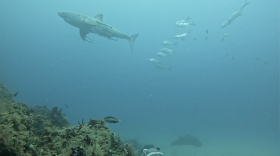 Florida leads the nation in shark bites, but it is not because sharks are hunting humans. We break down how seasonal migrations, tidal currents, and holiday beach crowds create a natural collision course in the water.
 -
 Florida has the highest casualty rate caused by lightning strikes in the United States. Increasing response time while finding a safe shelter can lower one's risk of getting struck.


Play Live Radio
Next Up:
0:00
0:00
Available On Air Stations


